
Context:
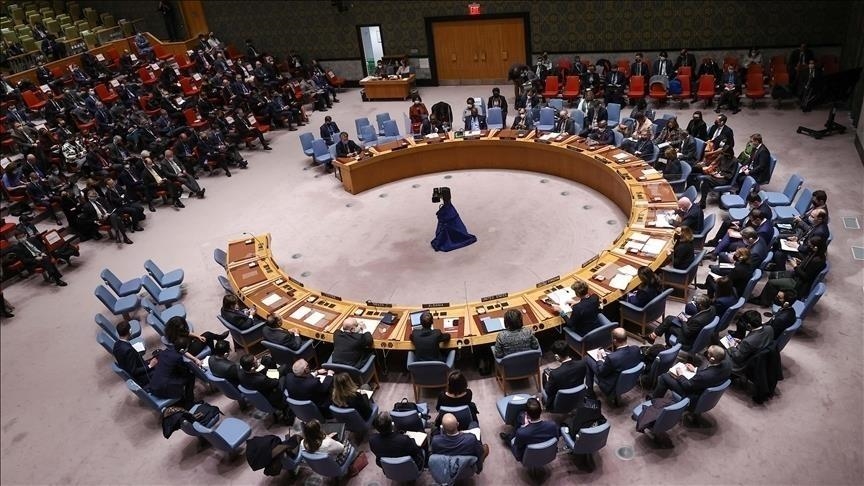
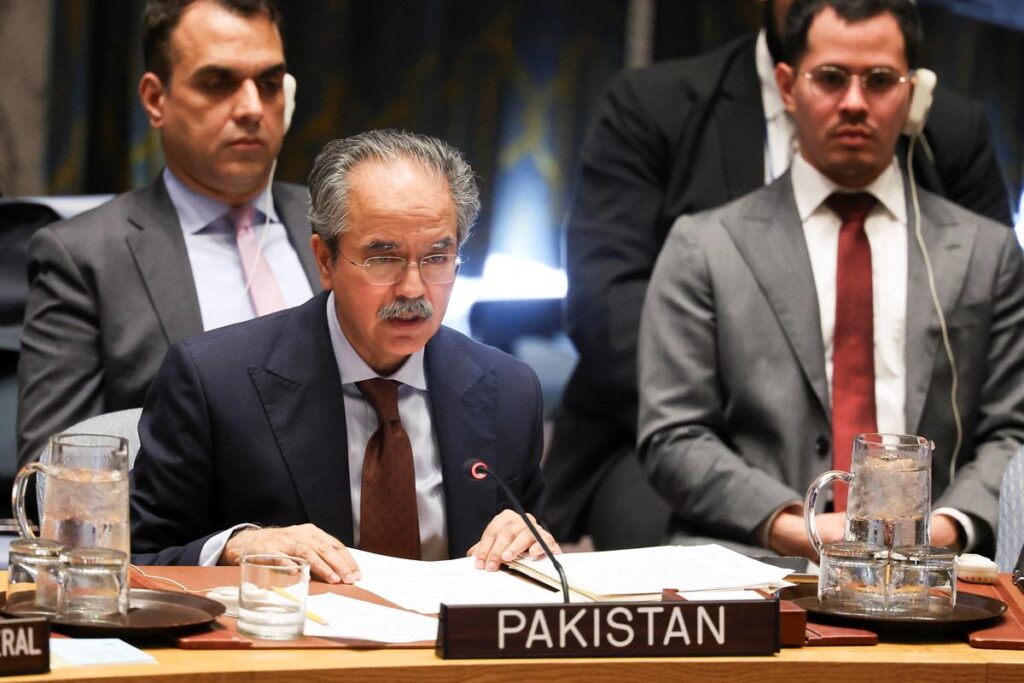
• Pakistan has taken over the rotating presidency of the United Nations Security Council (UNSC) for July 2025, its first since 2013.
• This development comes amid heightened Indo-Pak tensions, particularly over terrorism and the Indus Waters Treaty (IWT).
• Pakistan will chair two major meetings in July.
• July 22: Open debate on “Promoting International Peace and Security through Multilateralism”
• July 24: Briefing on “Cooperation between the UN and Regional & Sub-Regional Organisations”
• Both events will be chaired by Deputy PM & Foreign Minister Ishaq Dar.
About United Nations Security Council (UNSC):
• The UNSC is one of the six principal organs of the United Nations, responsible for maintaining international peace and security.
• It has 15 members: 5 permanent (P5) – USA, UK, Russia, China, France – and 10 non-permanent members elected for 2-year terms.
• The Presidency of the UNSC rotates monthly among members alphabetically. During this term, the presiding country sets the agenda, chairs meetings, and facilitates resolutions.
• While the presidency does not grant veto power or extra voting rights, it allows the country to shape diplomatic narratives on key issues.
• Relevance in India–Pakistan context: Pakistan may attempt to raise issues like Kashmir or project itself as a peace-seeking nation; India is likely to diplomatically counter this.
What is Indus Waters Treaty (IWT 1960):
- The IWT is a bilateral water-sharing agreement between India and Pakistan, brokered by the World Bank.
- It governs the distribution of six rivers of the Indus Basin:
- India controls: Ravi, Beas, Sutlej (Eastern Rivers)
- Pakistan controls: Indus, Jhelum, Chenab (Western Rivers), though India has limited rights over their use for non-consumptive purposes.
- It has survived wars and diplomatic crises and is seen as a model of water cooperation.
- Current Relevance:
- India suspended the treaty’s implementation (“held in abeyance”) after the April 22, 2024, Pahalgam attack, blaming Pakistan for inaction on terrorism.
- Pakistan welcomed the PCA ruling which stated that India could not unilaterally stop treaty obligations, but India rejected the ruling as illegitimate.
- Highlights how natural resources are weaponized in response to geopolitical threats.
About Permanent Court of Arbitration (PCA):
- The PCA, based in The Hague, is an intergovernmental body established in 1899 to resolve disputes between states, state entities, and private parties under international law.
- It is not a UN body, but it facilitates arbitration and legal resolutions under treaties and customary law.
- Pakistan approached the PCA to raise objections to design elements of Indian hydro projects (Kishenganga and Ratle).
- India declined to recognize PCA’s jurisdiction, citing the Treaty’s preference for bilateral resolution through mechanisms like the Indus Water Commission or neutral experts.
- The June 2025 ruling by PCA favored Pakistan’s view, but India rejected the “supplemental award”, calling it unilateral and non-binding.
- This reflects India’s strategic balancing between sovereignty, treaty interpretation, and international law.