
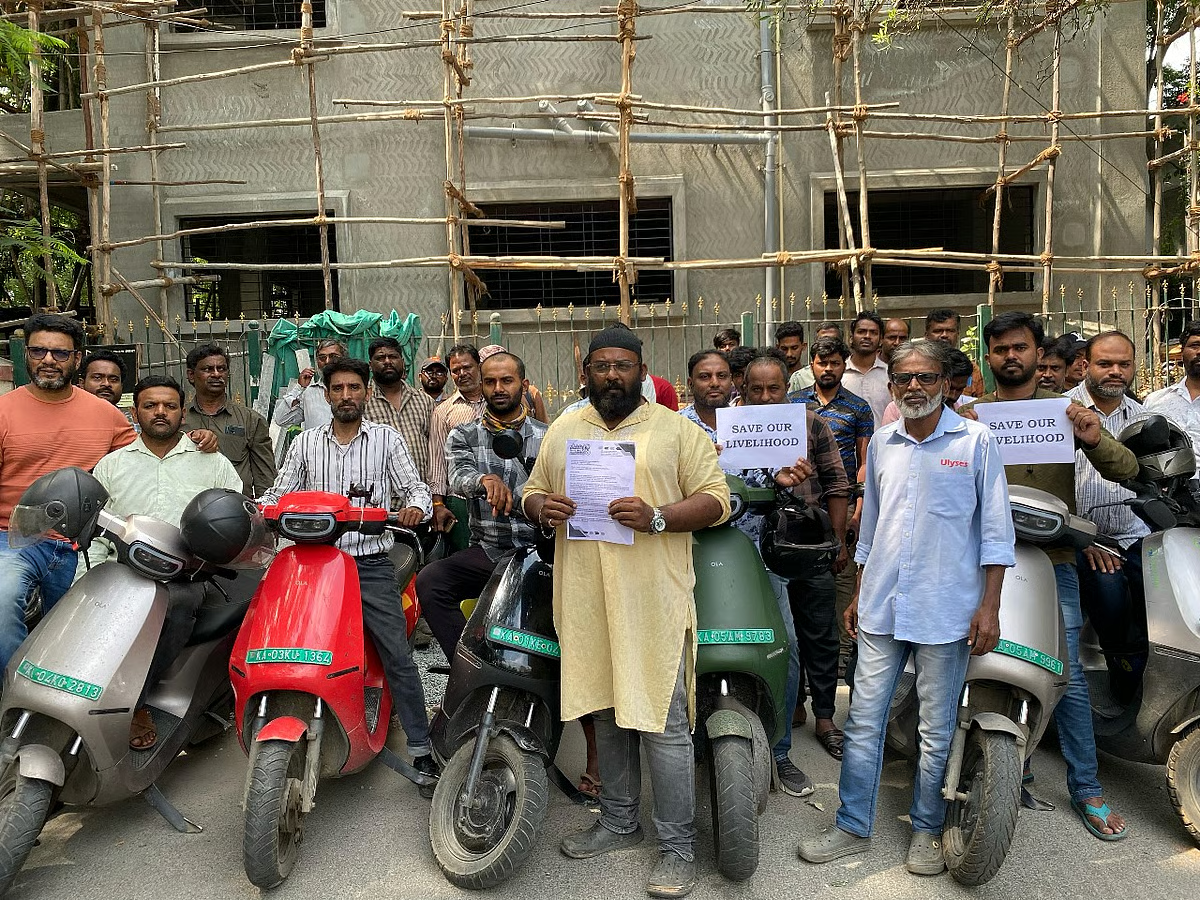
What Happened
- Karnataka High Court, on a single-judge bench in April, ruled that bike-taxis couldn’t operate without a formal State policy, issued under Section 93 of the Motor Vehicles Act. This halted registration of motorcycles as commercial “transport vehicles” or issuance of contract-carriage permits.
- A 6-week deadline followed, and from June 16, 2025, bike-taxi services (via platforms like Rapido, Ola, Uber Moto) were removed statewide
📉 Immediate impact
• Traffic in Bengaluru surged ~18%, per one report, as commuters lost a fast, affordable option.
• Auto fares spiked ~25%, prompting MP PC Mohan to demand a ₹35 minimum fare cap for app-based autos .
• Daily commuters and gig workers have expressed frustration and hardship over the loss of this service
🏛 Legal/fund structure pushback
- Aggregators (Ola, Uber, Rapido), bike-taxi owners, and associations have filed divisional bench appeals, arguing:
- Bike-taxis are essential last-mile transport, not a luxury.
- The ban infringes on constitutional rights (Article 19), benefitting traditional unions, not safety or law.
- Karnataka already had a draft E‑Bike Taxi Policy (2021), which was withdrawn in 2024—they claim the ban is politically motivated.
- The next court hearing is scheduled for July 2, 2025.
🚘 Side developments & workarounds
Parcel loophole: Aggregators briefly launched bike-parcel services, delivering “parcels” that were actually passengers — but this workaround was swiftly shut down.
Supporters including Nasscom and opposition MLA Arvind Bellad argue the ban hurts economically vulnerable gig workers and students.
🔍 Why it matters
- Regulatory vacuum: Central guidelines (2020) legitimize bike-taxi aggregator apps—yet Karnataka never drafted its framework.
- Migration pressure: Thousands—many degree holders—relied on bike‑taxi for ₹30–₹35 k/month earnings. The ban effects 6 lakh riders statewide.
- Urban mobility risk: Amid rising traffic and dropping affordability, many see bike taxis as vital last-mile connectors.
🚦 What comes next?
- The legal challenge awaits resolution on July 2 in the Karnataka High Court.
- If the bench rules in favor of appellants or mandates a policy, the State Transport Department may reintroduce guidelines, register bikes as transport vehicles, and issue permits.
- If upheld, expect continued disruption in commuting costs, congestion, and gig economy impacts.
TL; DR
- Ban enforced: June 16, 2025, due to lack of state-level rules.
- Immediate consequences: Surge in traffic, fare hikes, livelihood loss.
- Ongoing fight: Court appeals scheduled July 2; mass protests from riders.
- Your takeaway: Without swift policy rollout, this ban could reshape urban transport and the gig economy in & nbsp;Karnataka.