
Context:
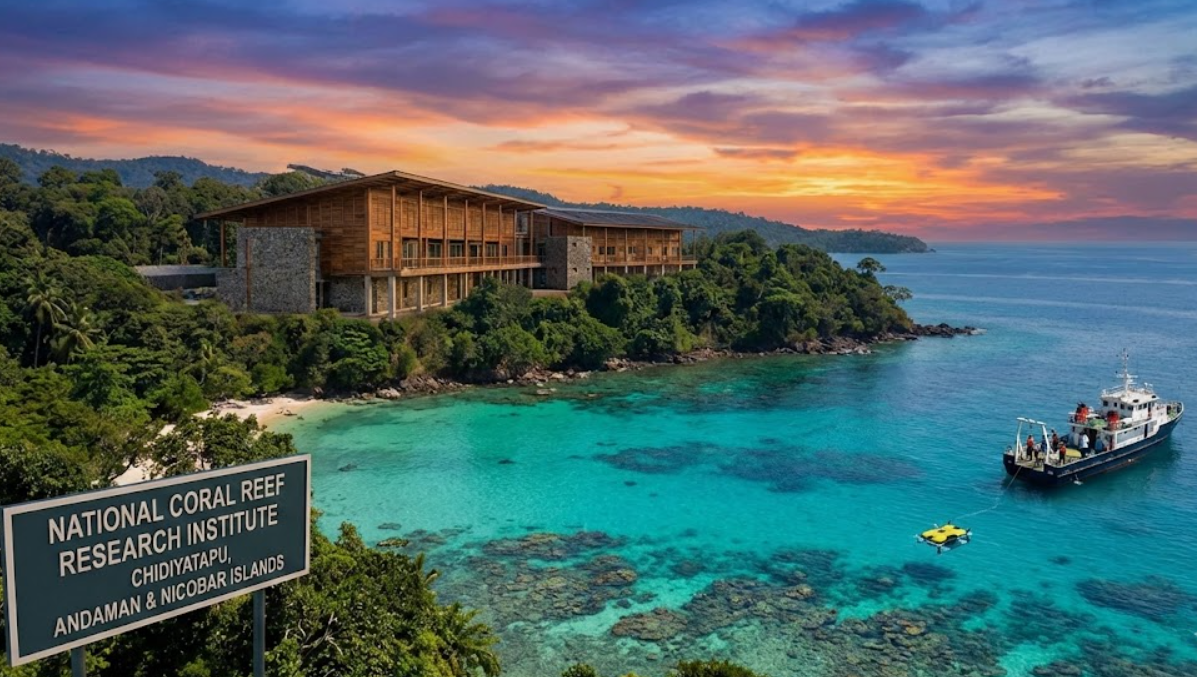
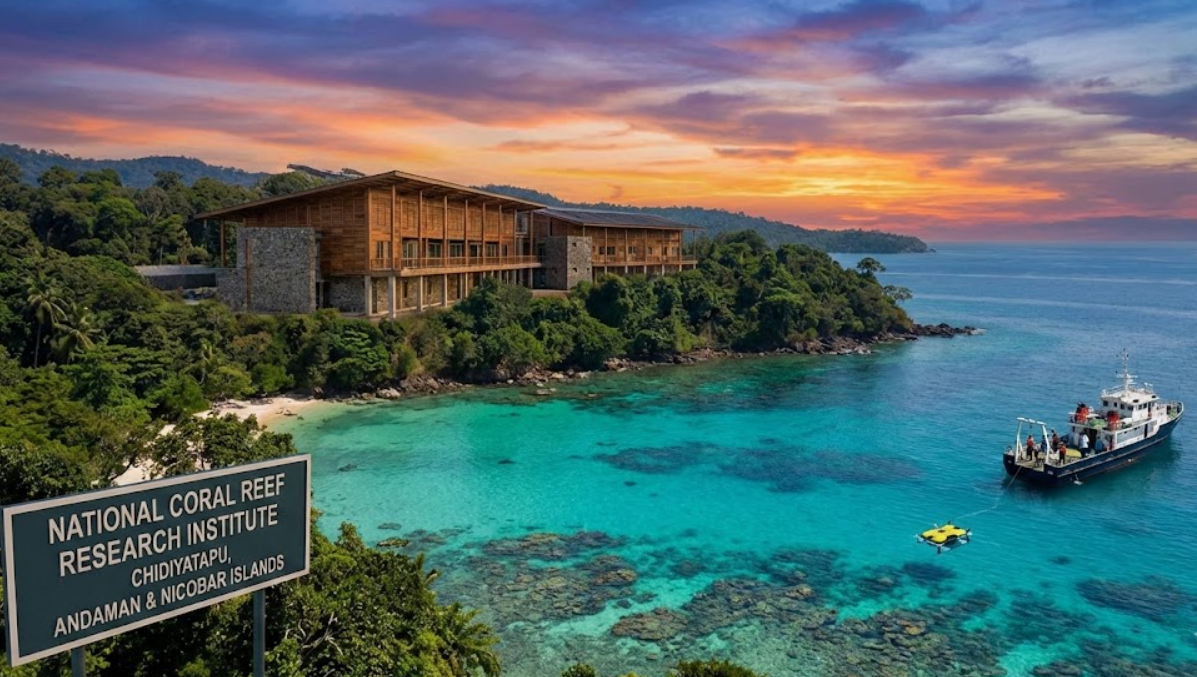
For the first time in India, a National Coral Reef Research Institute (NCRI) is set to be established in the Andaman and Nicobar Islands to spearhead advanced research and conservation of coral ecosystems.
Project Details and Features:
- Location: The institute will be built at Chidiyatapu in South Andaman, a region known for its rich marine biodiversity.
- Investment: The project is estimated to cost Rupees 120 crore and will be funded and executed by the Union Ministry of Environment, Forest and Climate Change (MoEFCC).
- Nodal Agency: The initiative is being spearheaded under the guidance of the Zoological Survey of India (ZSI), Andaman and Nicobar Regional Centre.
- Core Mandate: The institute will function as a center of excellence for advanced research, management, and preservation of coral reefs, focusing on both restoration technologies and monitoring reef health.
Ecological and Strategic Significance:
- Natural Coastal Defense: As highlighted by ZSI officials, coral reefs act as natural barriers against natural disasters. They dissipate wave energy, significantly reducing the impact of cyclones, tsunamis, and storm surges on the coastline.
- Disaster Risk Reduction: By buffering the shorelines, the reefs play a critical role in preventing loss of life and property damage during extreme weather events, which are frequent in the Bay of Bengal.
- Biodiversity Repository: The Andaman and Nicobar Islands harbor approximately 80% of India’s global coral diversity. A dedicated institute ensures the documentation and protection of these genetic resources.
- Blue Economy: Healthy reefs are the nursery grounds for fish, supporting the fisheries sector, and are a primary attraction for eco-tourism, thereby sustaining the island’s economy.
Challenges:
- Coral Bleaching: The primary threat to corals is Global Warming. Rising Sea Surface Temperatures (SST) cause corals to expel the symbiotic algae (zooxanthellae), leading to mass bleaching events and mortality.
- Anthropogenic Pressures: Unregulated tourism, coastal development, and sedimentation from construction activities in the Andamans are choking reef colonies.
- Ocean Acidification: Increased CO2 absorption by oceans reduces the pH level of water, making it difficult for corals to build their calcium carbonate skeletons.
- Invasive Species: Outbreaks of coral-eating predators like the Crown-of-Thorns Starfish periodically decimate reef populations in the Indo-Pacific region.
Way Forward:
- Active Restoration: The new institute must prioritize active restoration techniques such as Coral Gardening, Micro-fragmentation, and Biorock Technology (using weak electric currents to stimulate growth) to rehabilitate degraded reefs.
- Resilience Breeding: Research should focus on identifying and propagating “Super Corals”—strains that are genetically more resistant to heatwaves and acidic waters.
- Community Integration: Conservation efforts must involve local fishing communities and dive operators as “Reef Guardians” to ensure sustainable usage and policing of protected areas.
Coral Reefs:
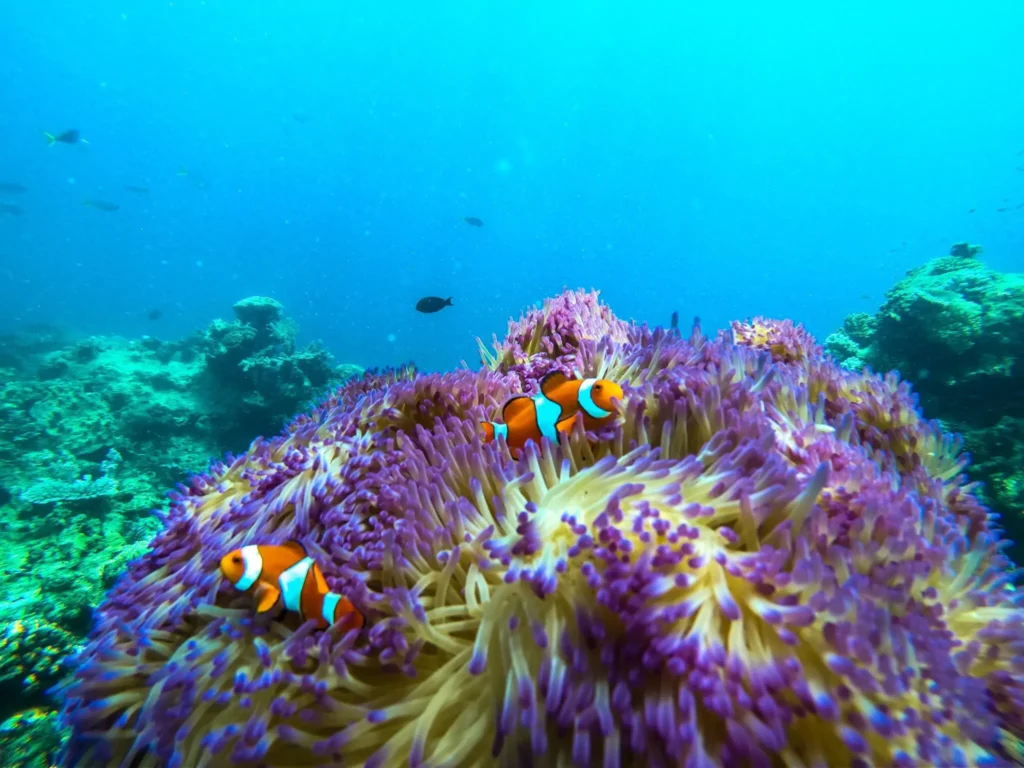
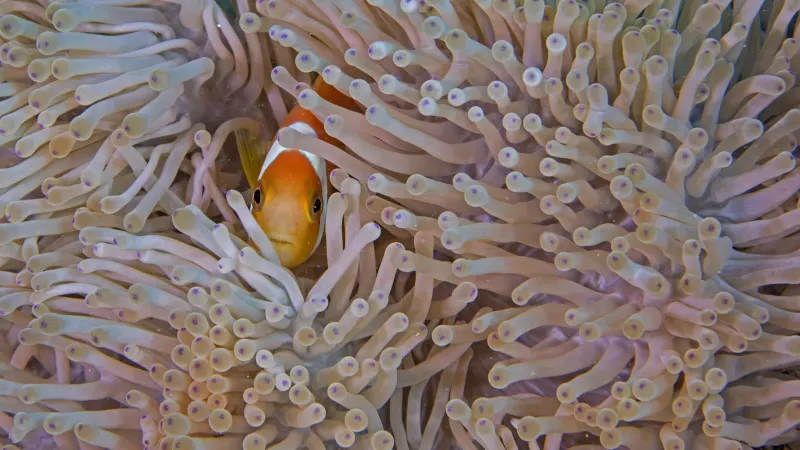
- Corals are marine invertebrates (animals) belonging to the class Anthozoa. They live in a symbiotic relationship with microscopic algae called Zooxanthellae.
- Symbiosis: The algae live within the coral tissues, providing food (via photosynthesis) and color, while the coral provides shelter and nutrients.
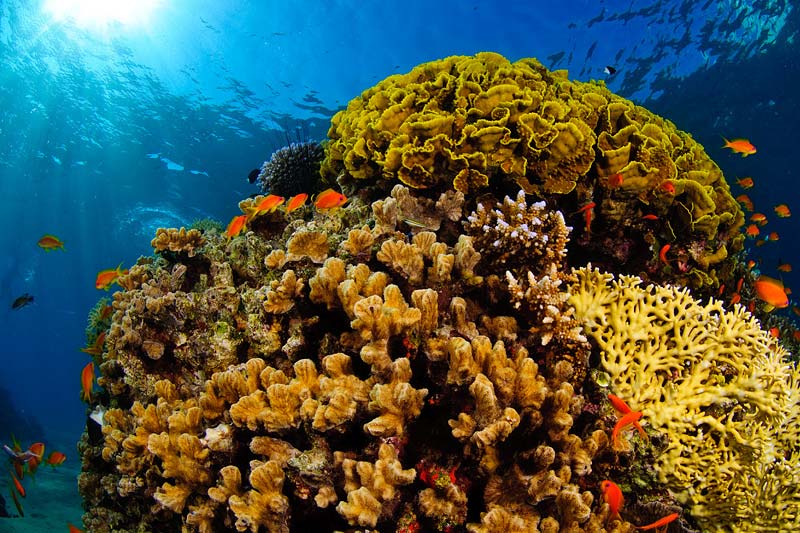
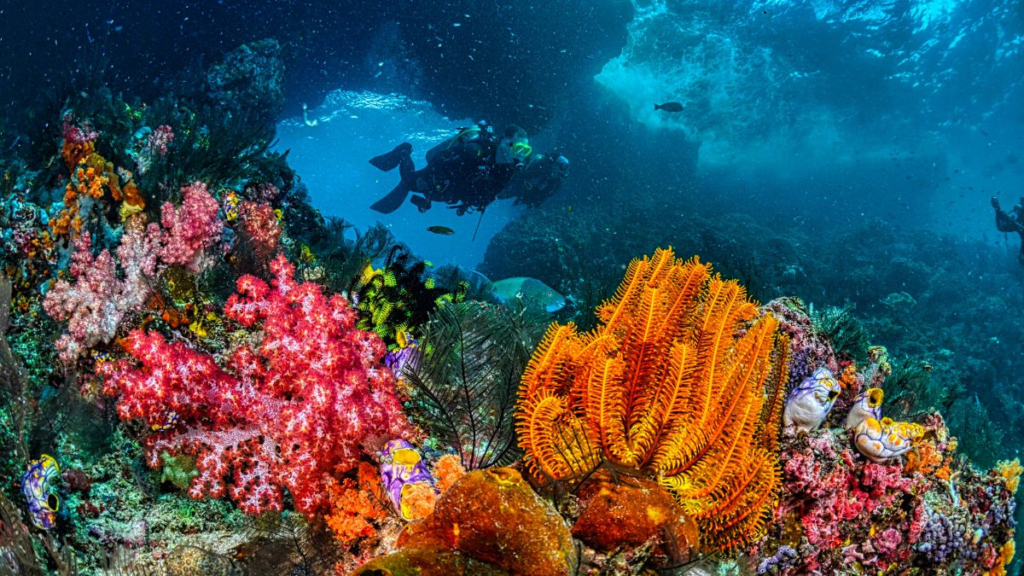
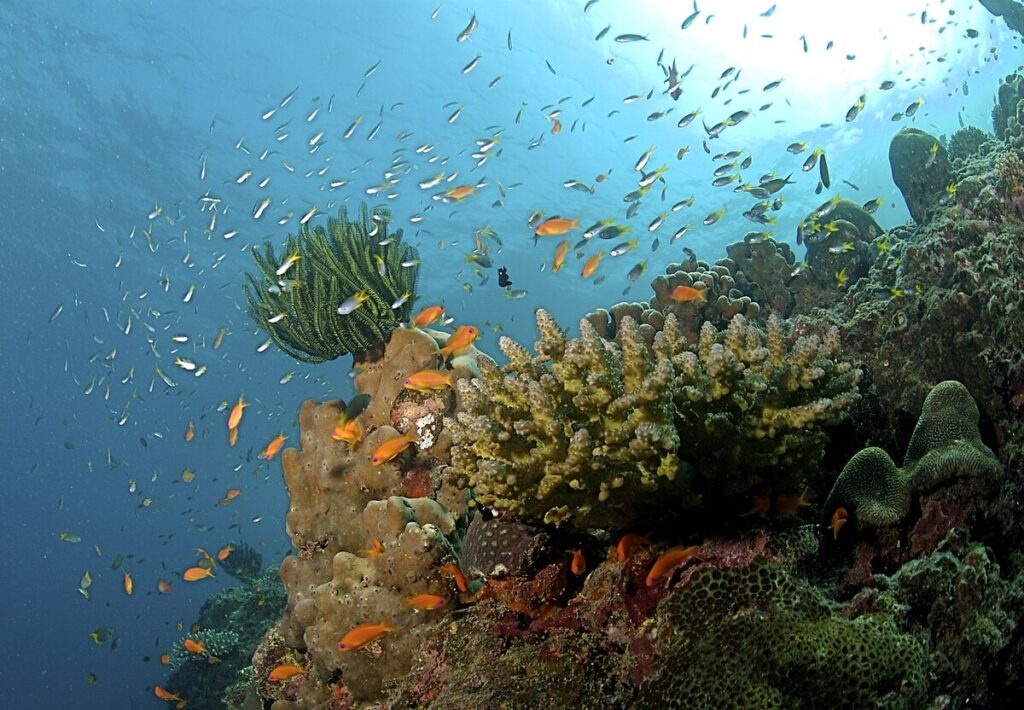
- Conditions for Growth: Corals require warm water (20°C-29°C), shallow depth (for sunlight), clear water (free of sediment), and high salinity.
- Coral Reefs in India: India has four major coral reef regions:
- Andaman and Nicobar Islands (Fringing reefs)
- Lakshadweep Islands (Atolls)
- Gulf of Mannar (Fringing reefs)
- Gulf of Kutch (Fringing reefs)
- Protection Status: Corals are protected under Schedule I of the Wildlife Protection Act, 1972, affording them the highest degree of legal protection.