
Starting with the upcoming 2028 Summer Games in Los Angeles, transgender women will no longer be allowed to participate in the female-centric disciplines at the Olympic Games, the International Olympic Committee (IOC) announced in a new rule on Thursday (Mar 26). This ground-breaking decision follows a similar order from US President Donald Trump on women’s sports. However, under this new policy, the IOC will use a one-time genetic test to decide who is eligible to compete in the women’s category.
“Eligibility for any female category event at the Olympic Games or any other IOC event, including individual and team sports, is now limited to biological females,” the International Olympic Committee said, “determined on the basis of a one‑time SRY gene screening.”
What is the reason behind doing this?
The governing body feels the change will make sure the competition is fair and safe, as their research shows that being born a male provides a physical advantage in strength and power that goes nowhere even after transitioning. With that, the eligibility policy that will apply from the LA28 Games ‘protects fairness, safety and integrity in the female category,’ the IOC said.
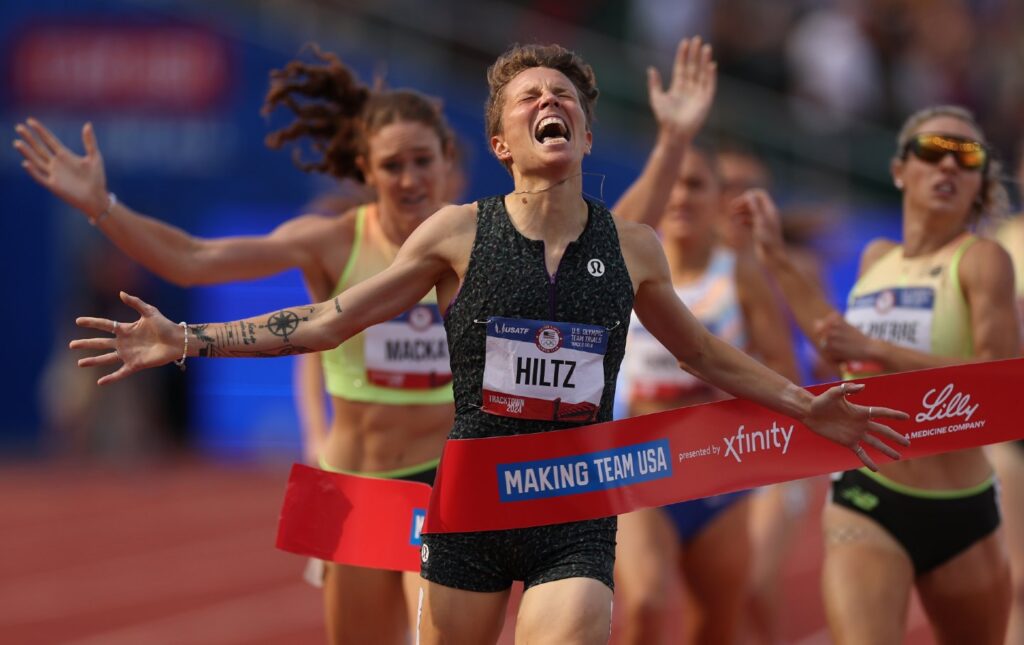
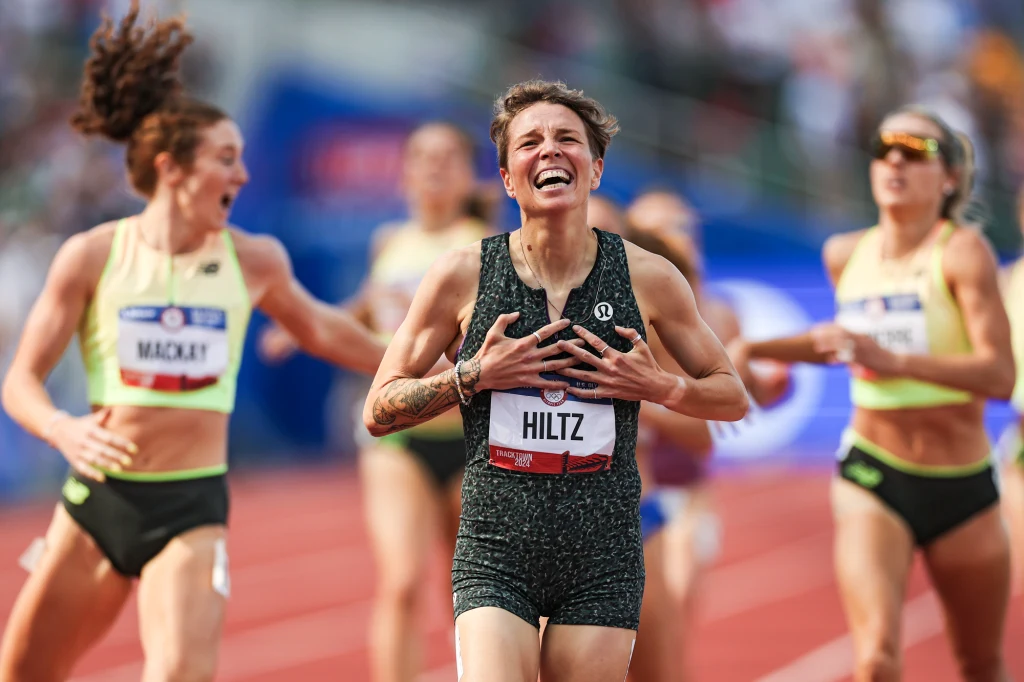
Nikki Hiltz, a transgender non-binary runner, qualified for the 2024 Paris Olympics by winning the 1500-meter race at the U.S. Olympic Trials with a personal best and trials record time of 3:55.33. As a 7-time All-American, Hiltz is a prominent LGBTQ advocate and competed in the women’s 1500m category at the Paris Games, finishing seventh in the final
“Males experience three significant testosterone peaks: in utero, in mini-puberty of infancy and beginning in adolescent puberty through adulthood,” the document said.
The statement further adds that it gives the males ‘individual sex-based performance advantages in sports and events that rely on strength, power and/or endurance.’
Who does this new rule affect?
Transgender Women – The athletes, who transitioned from male to female, are now excluded from the elite Olympic competition.
Athletes with DSD – This new rule also prohibits female athletes with certain medical conditions (called Differences in Sex Development) from participating in the female categories across all disciplines. Moreover, this rule change applies to the Olympic Sports only and does not impact the rules for local or fun community sports leagues.
“It is not retroactive and does not apply to any grassroots or recreational sports programs,” said the IOC, whose Olympic Charter states that access to play sport is a human right.